Blog
How to Start a Trading Card Game Business with Print on Demand
Build an independent trading card game release around stable card IDs, copy counts and approved file versions before you set up print on demand fulfilment.
TCGPrintery4 min read
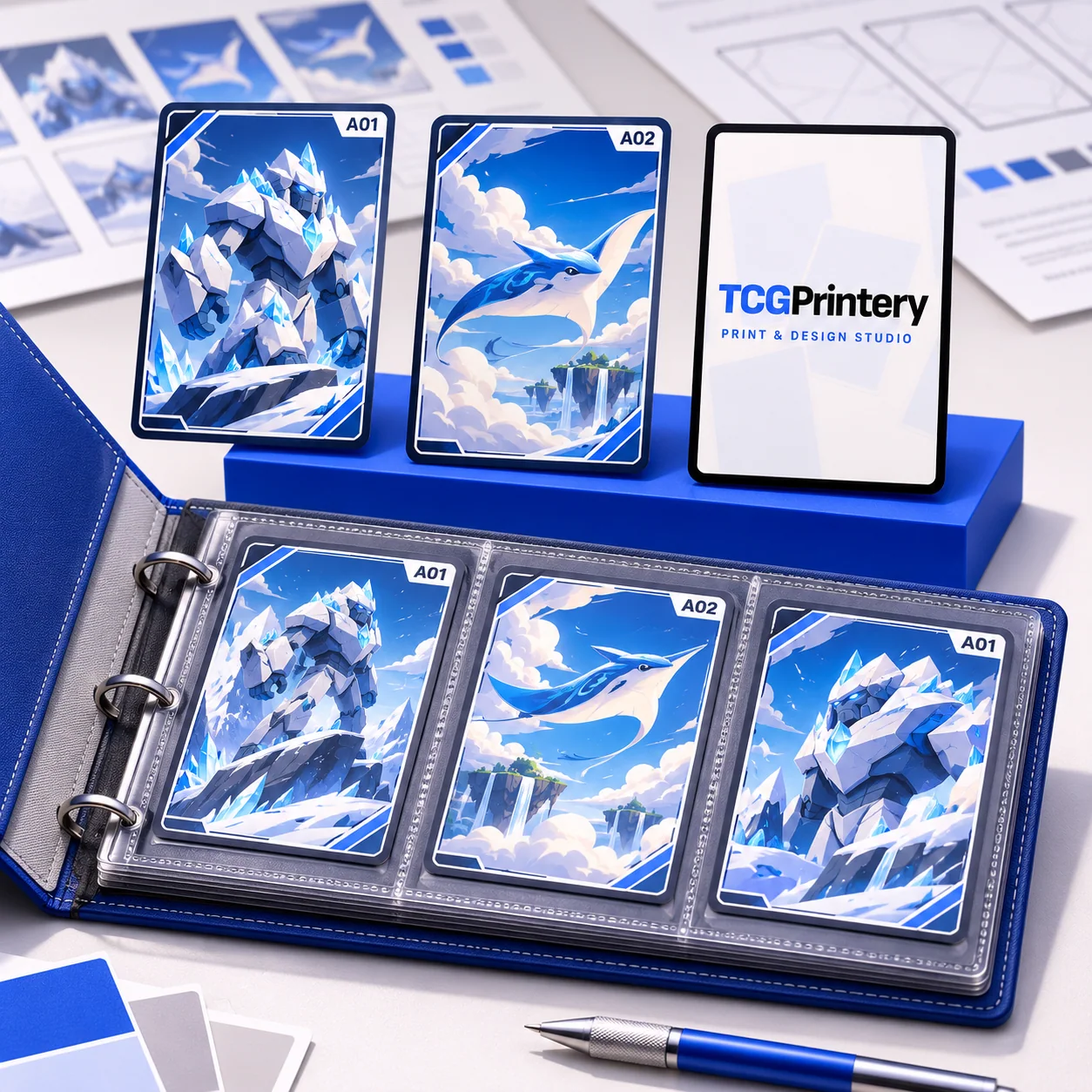
To start a trading card game business with print on demand, give every card an identity beyond its filename before you sell the first deck. Before a 2027 launch, decide how sets, copies and revised artwork will stay connected. This planning guide uses an original fictional game, Archipelago, to show that structure. Product facts are checked on 10 November 2026; the 2027 date is a planning horizon, not a prediction of future services.
Define one complete first product
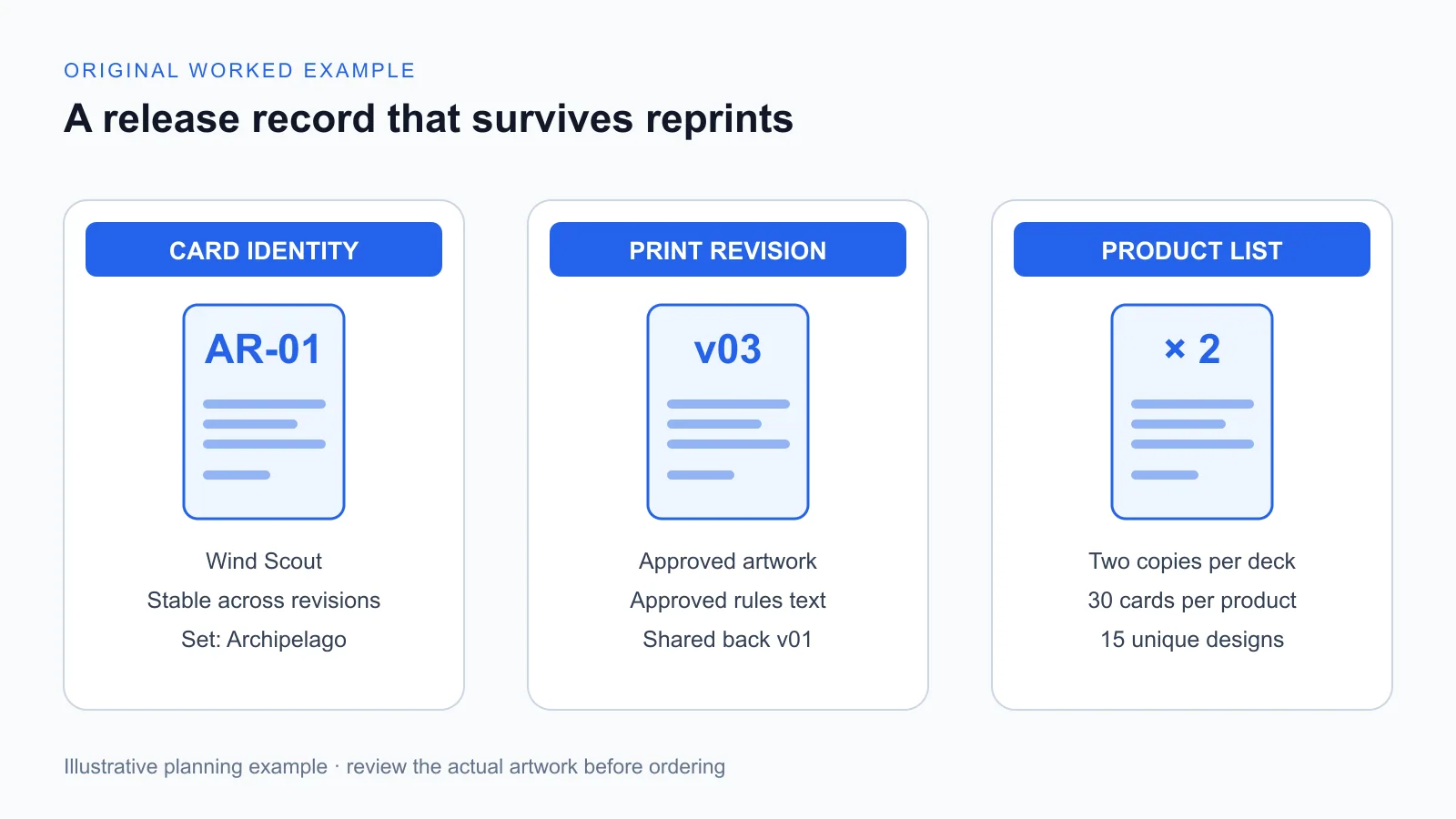
Our first Archipelago product is a thirty-card introductory deck made from fifteen designs, with two copies of each design. That statement gives a player and a printing partner a concrete product to understand. It also prevents the common mistake of counting unique artworks as the total number of physical cards. Describe the intended experience: one player learns movement, resource use and simple encounters. Keep expansion ideas in a separate list. A first release should be understandable and reviewable without depending on cards that have not yet been designed.
Separate identity from revision
Give each design a stable identifier, such as AR-01 for Wind Scout. Keep the print revision separate: AR-01-v03 may contain corrected punctuation or a cleaner image crop while still representing the same card. Record significant rules changes explicitly rather than silently replacing a file. Your working table should include card ID, display name, rules revision, artwork revision and approval date. A spreadsheet is enough at this stage. The important point is that the person preparing a repeat order can identify the accepted file without opening several nearly identical exports.
Build a reproducible deck list
A product list connects each approved card to its required copies. For Archipelago, fifteen rows each specify two copies, giving thirty cards. Add the back version, chosen material and intended format to the product record. If a future starter needs three copies of a resource card, update the list and total before ordering. Do not rely on a folder's file count to describe the product. Keep any rules card or reference card as its own line, because an extra insert changes the physical count even when it is not part of gameplay.
Approve one release before expanding
Playtest the full introductory deck, then review a physical sample of the intended files. These are different checks: a readable card can still have confusing rules, and balanced gameplay can still suffer from tiny text. Keep a short release checklist covering card counts, front-to-back pairing, spelling and repeated graphic elements. Once accepted, freeze a copy of the files and the product list together. New work belongs in a separate revision folder. This makes it possible to reorder the approved release while an expansion remains in development.
Set up the print on demand handoff
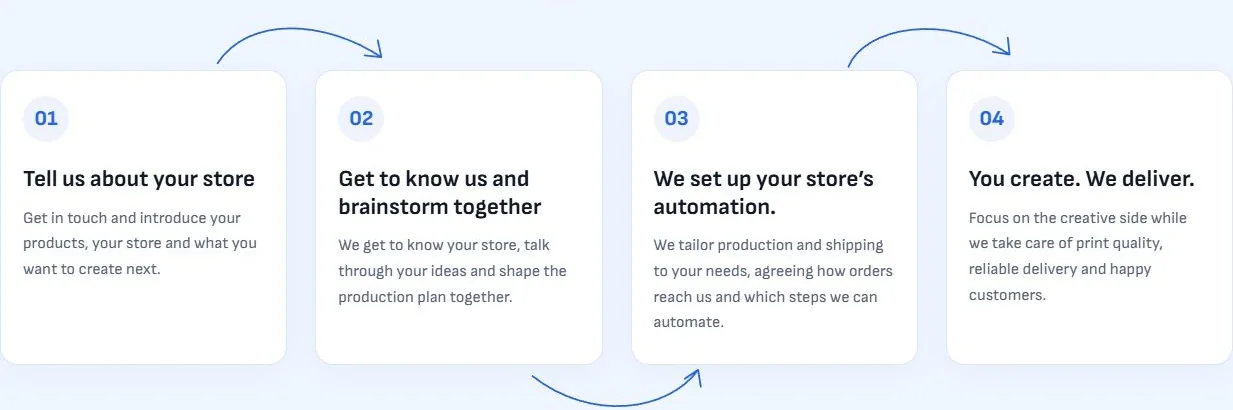
TCGPrintery's print on demand service describes a tailored printing and shipping partnership. The route by which orders arrive and the steps that can be automated are agreed together. Prepare an example order that names the product, quantity, approved revision and destination. Ask how corrections, failed handoffs and replacement requests should be communicated. Budget for artwork, samples, printing, selling fees and any separately arranged packaging. A product margin is a calculation using your actual costs, not a benefit that follows automatically from choosing print on demand.
Plan reprints as controlled releases
Before launching, write down what triggers a new version. A typo correction may require one replacement file; a rules rebalance may need a new release note and customer-facing explanation. Preserve the old record so you know which edition a previous customer received. An expansion should get its own set code instead of recycling earlier identifiers. Start with a physical prototype, then bring the approved product list to a partnership discussion. Clear records give the creative side of your business room to grow without making each order an exercise in reconstructing the deck.
Selling card products that are not a game? See how to start a custom card business with print on demand.