Blog
Print TCG Cards to Sell
Prepare an independent TCG set for sale with exact card counts, traceable editions, a reviewed print configuration and clear product contents.
TCGPrintery4 min read
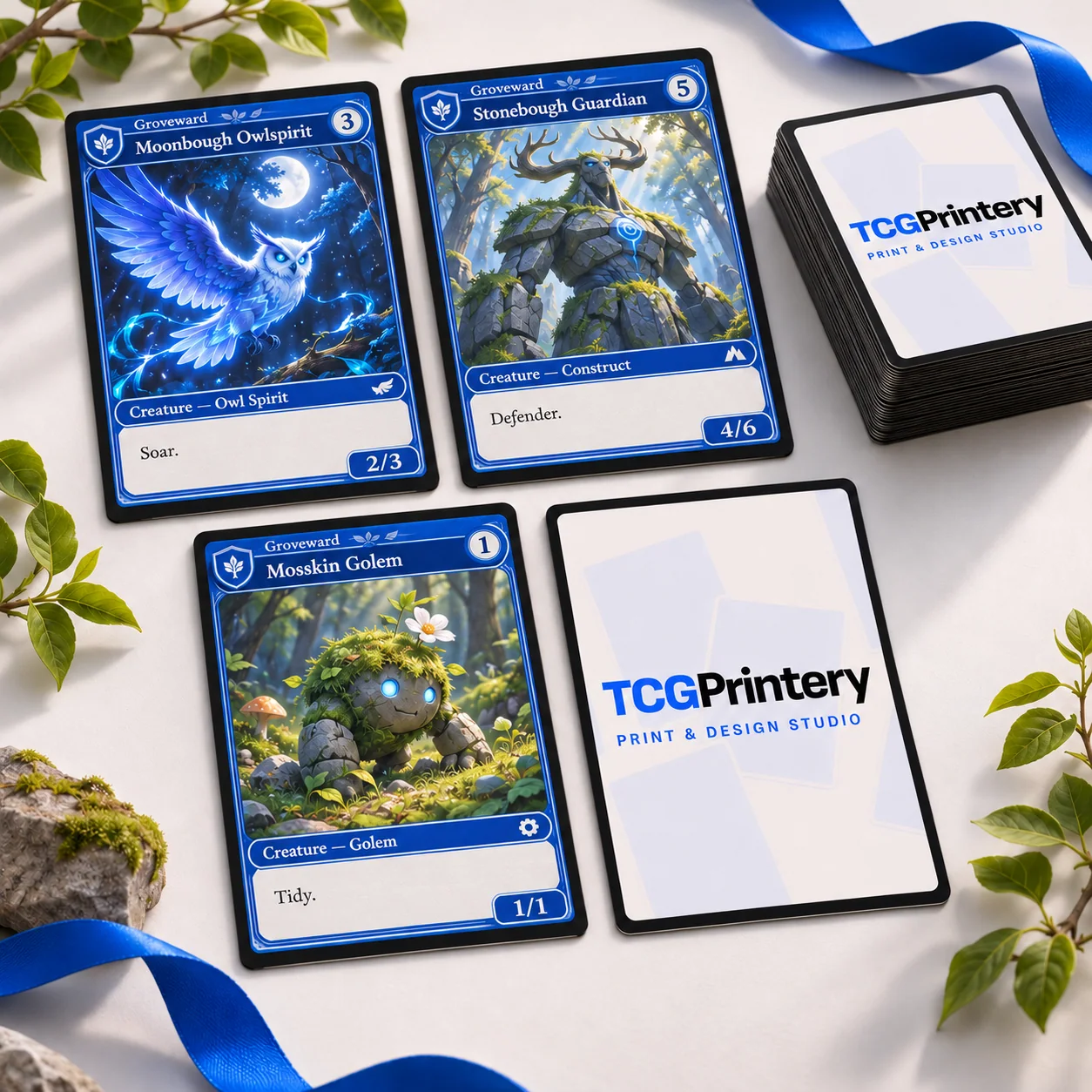
Printing TCG cards to sell begins with a product a buyer can understand. Define the cards included, the edition being offered and the way the set will be presented before sending artwork to print. TCGPrintery can print your own designs; a repeatable product specification helps you turn those designs into a consistent release.
Consider Groveward, an original example woodland game created for this guide. Its first product is a fixed 25-card introductory set. The plan below shows how that simple decision guides the files, quantities, photographs and production conversation.
Give the first release exact contents
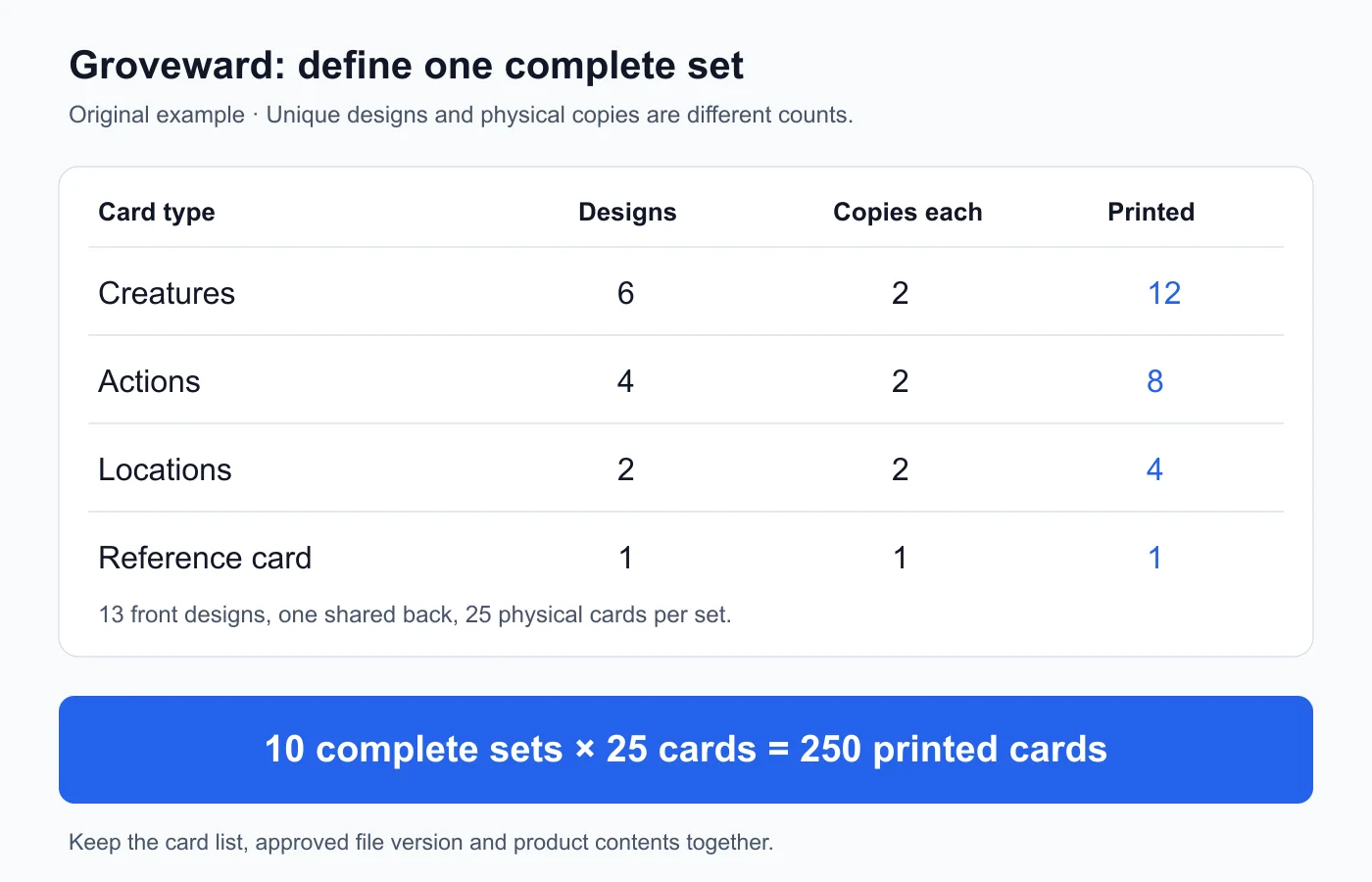
Groveward contains six creature designs with two copies each, four action designs with two copies each and two location designs with two copies each. That makes 24 gameplay cards. One reference card brings the physical set to 25 cards. There are 13 unique fronts, including the reference, rather than 25 different illustrations.
Write this inventory before quoting or preparing a listing. If you order ten complete sets, you need 250 printed cards with the corresponding copies of each design. A fixed contents list also makes it easier to check whether every finished set contains what the buyer expects.
Keep editions and files traceable
Give every design a stable identifier, such as GW-C01 for the first creature and GW-R01 for the reference card. Add a release version to the export folder. A change to an effect should create an identifiable new version, even when the illustration stays the same.
Keep the approved card list with those files. Record the back, copies and material alongside each release. If you revise one creature after testing, you can then identify which set contains the earlier wording. Decide how you will describe editions to buyers before different versions exist in stock.
Prepare one representative print configuration
Groveward uses the Standard 63 × 88 mm format. Choose the dimensions early and use the file preparation guide for resolution, bleed and safe areas. Check the smallest rules text and longest creature name at the intended physical size.
Review a representative sample before committing to the release quantity. Include the shared back and a card with dark artwork, a detailed illustration or dense text. The material samples help you compare available stock and finishes. Record the chosen configuration so the later order uses the same decisions.
Define what the buyer receives
A product called a starter set should state its actual contents. Explain the card count, whether instructions are included, the language and any components the player must supply. If Groveward needs counters, say whether they are part of the product you sell.
Choose the packaging you intend to provide and confirm production responsibilities separately. A sleeve, band, box and postal mailer perform different jobs. Do not describe a packaging option as included until you have arranged it. Photograph a real approved example of the finished offering before presenting it as the delivered product.
Price the complete sale
Your budget should include artwork preparation, sample rounds, printed cards, packaging, shipping and the fees of the sales channel. Keep one-time development costs visible beside the cost of each sellable set. The public card price alone does not describe the whole job.
Compare quantities against expected demand and available cash. A lower unit cost on a larger order can leave more money in unsold sets. For Groveward, start by comparing the cost of a small fixed release with the number of complete sets you can realistically prepare and sell.
Agree the handoff for repeat orders
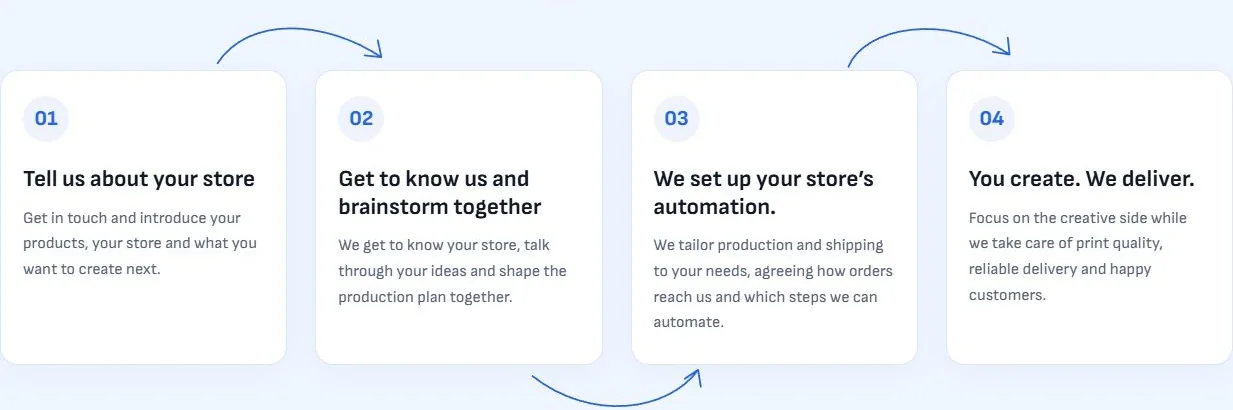
For ongoing sales, discuss the printing partnership using your card list, approved files, product contents and expected order pattern. The production plan, shipping and order handoff are tailored and agreed. Explain which parts you will handle and which services you want to explore.
Bring a clear first release to that conversation. An exact inventory, traceable edition and approved sample give you a stronger foundation for selling than a collection of unorganised artwork files.